
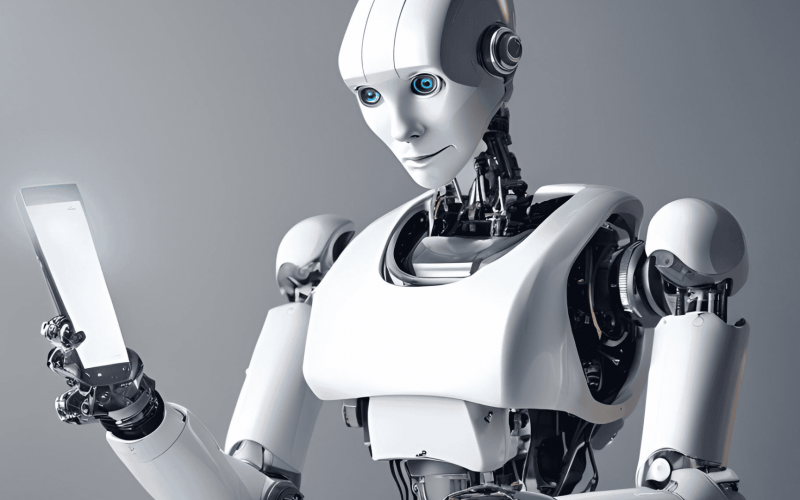
In a world inundated with digital noise, capturing and retaining customer attention has become a formidable challenge. Yet, a technological revolution is underway, driven by the power of artificial intelligence (AI). This digital alchemy is transforming the landscape of marketing automation, empowering businesses to deliver hyper-personalized, efficient, and impactful campaigns.
Consider this: A leading e-commerce retailer harnessed the capabilities of AI to analyze vast customer data, predicting individual preferences with uncanny accuracy. By automating personalized product recommendations and targeted email campaigns, they witnessed a staggering 25% increase in customer engagement and a 15% boost in sales. This is just a glimpse of the transformative potential of AI in marketing automation.
In this blog post, we’ll delve into the multifaceted ways AI is revolutionizing marketing automation. We’ll explore how AI can be leveraged to personalize and optimize multichannel marketing campaigns across email, social media, text, and direct mail. Additionally, we’ll uncover techniques for automating engagement and response in real-time using AI-driven insights. Finally, we’ll discuss how AI can streamline workflows, enhance scalability, and free up valuable time for strategic initiatives.
By the end of this post, you’ll gain a comprehensive understanding of how AI can empower your marketing efforts, driving growth and success in today’s competitive digital landscape.
Personalization and Optimization
1. The Power of AI-Driven Personalization:
Personalized marketing, a strategy that tailors marketing messages and experiences to individual customers, has emerged as a powerful tool in today’s data-driven landscape. By leveraging customer data and preferences, businesses can deliver highly relevant and engaging content, fostering deeper connections with their audience. This personalized approach not only enhances customer satisfaction but also drives significant business benefits.
When customers feel understood and valued, they are more likely to engage with brand communications, leading to increased open and click-through rates for emails, higher website traffic, and ultimately, more conversions. Personalized product recommendations, for instance, can guide customers towards items that align with their interests, boosting sales and average order value.
Moreover, personalized marketing can significantly improve customer loyalty. By providing tailored experiences, businesses can differentiate themselves from competitors and build long-lasting relationships with their customers. Loyal customers are more likely to make repeat purchases, advocate for the brand, and become brand ambassadors, generating valuable word-of-mouth marketing and organic growth.
Harnessing the Power of AI: Revolutionizing Marketing Automation
AI algorithms are revolutionizing the way businesses analyze customer data, enabling them to create highly targeted campaigns that resonate with individual preferences. These algorithms can process vast amounts of data from diverse sources, including website interactions, purchase history, social media activity, and customer support interactions. By sifting through this data, AI can identify patterns, trends, and correlations that would be impossible for humans to detect manually.
One powerful technique is customer segmentation, where AI algorithms divide customers into distinct groups based on shared characteristics, such as demographics, behaviors, or preferences. For example, an e-commerce retailer might segment customers into groups like “frequent shoppers,” “new parents,” or “tech enthusiasts.” By understanding these segments, businesses can tailor their marketing messages and offers to each group’s specific needs and interests.
Another key application of AI is predictive analytics, which leverages historical data to forecast future customer behavior. By analyzing past purchase patterns, browsing history, and other relevant factors, AI algorithms can predict which products or services a customer is likely to be interested in. This enables businesses to proactively reach out to customers with personalized recommendations, increasing the likelihood of conversions.
With AI, it’s possible to enhance the effectiveness of marketing campaigns through real-time optimization. By continuously monitoring campaign performance and customer interactions, AI algorithms can identify underperforming elements and make adjustments on the fly. For instance, if a particular ad creative is not generating desired results, AI can automatically replace it with a more effective version. This dynamic optimization ensures that campaigns remain relevant and impactful throughout their duration.
Examples of AI-Powered personalization Techniques:
Dynamic Content
- Personalized Product Recommendations: AI algorithms can analyze a customer’s browsing and purchase history to suggest relevant products. For example, if a customer frequently buys running shoes, the website might recommend specific running apparel or accessories.
- Tailored Content Recommendations: Based on a user’s interests and past behavior, AI can curate personalized content, such as blog posts, articles, or videos. For instance, a fitness enthusiast might receive recommendations for workout routines or nutrition tips.
Personalized Email Subject Lines
- Dynamic Subject Lines: AI can generate personalized subject lines by incorporating the recipient’s name, recent purchases, or browsing history. For example, “Hey [Customer’s Name], we’ve got a special offer on your favorite [Product Category]”
- A/B Testing: AI can analyze the performance of different subject lines to identify the most effective ones. By continuously testing and optimizing, businesses can improve open rates and click-through rates.
Product Recommendations
- Next-Best-Product Recommendations: AI can predict which products a customer is likely to purchase next based on their current cart or past behavior. For example, a customer who buys a smartphone might be recommended a protective case or screen protector.
- Personalized Offers: AI can analyze a customer’s purchasing power and preferences to offer tailored discounts or promotions. For instance, a high-value customer might receive a special discount code for a premium product.
2. Optimizing Multichannel Campaigns:
Customers interact with brands through a multitude of channels, including websites, social media, email, and mobile apps. To build strong brand loyalty and drive customer engagement, it is crucial to maintain a consistent brand experience across all these touchpoints. A consistent brand experience ensures that customers recognize and trust the brand, regardless of the channel they are using.
When a brand delivers a consistent message and visual identity across different channels, it strengthens brand recognition and recall. Customers are more likely to remember a brand that consistently communicates its values, mission, and personality. This consistency helps to build brand equity and differentiate the brand from competitors.
Moreover, a consistent brand experience enhances customer satisfaction and loyalty. When customers encounter a seamless and cohesive brand experience, they feel valued and appreciated. They are more likely to trust the brand, make repeat purchases, and recommend the brand to others. A strong brand reputation can lead to increased customer lifetime value and long-term business success.
In the end, giving a consistent brand experience will contribute to a positive brand perception. When customers have positive interactions with a brand across various channels, they develop a favorable opinion of the brand. This positive perception can lead to increased brand awareness, higher customer satisfaction, and improved brand loyalty. By prioritizing consistency, businesses can create a strong brand identity and cultivate lasting relationships with their customers.
AI-Powered Optimization for Multichannel Campaigns
AI is revolutionizing the way businesses optimize their marketing campaigns across various channels. By analyzing vast amounts of data and employing advanced algorithms, AI can identify patterns, trends, and opportunities to enhance campaign performance.
Email Marketing
- Personalized Subject Lines: AI can generate personalized subject lines based on individual preferences, increasing open rates.
- Dynamic Content: AI can tailor email content to specific segments or individuals, improving engagement and conversion rates.
- Predictive Analytics: AI can predict optimal send times and frequencies to maximize impact.
Social Media Marketing
- Sentiment Analysis: AI can analyze social media conversations to gauge brand sentiment and identify potential issues or opportunities.
- Influencer Marketing: AI can identify and connect with relevant influencers to amplify brand reach and engagement.
- Ad Targeting: AI can optimize ad targeting to reach the right audience at the right time, maximizing ROI.
SMS Marketing
- Real-Time Personalization: AI can personalize SMS messages based on real-time customer behavior, such as abandoned carts or recent purchases.
- Predictive Analytics: AI can predict the optimal time to send SMS messages, maximizing open and conversion rates.
- A/B Testing: AI can automate A/B testing of different SMS messages to identify the most effective variations.
Direct Mail Marketing
- Audience Segmentation: AI can segment direct mail audiences based on demographics, preferences, and purchase history to improve targeting.
- Predictive Modeling: AI can predict which individuals are most likely to respond to direct mail campaigns, optimizing mailing lists.
- Personalized Messaging: AI can personalize direct mail pieces with relevant offers and messaging, increasing engagement.
The Power of AI in A/B Testing and Predictive Analytics
A/B testing and predictive analytics are powerful tools for optimizing marketing campaigns and making data-driven decisions. However, these techniques can be time-consuming and complex, especially when dealing with large datasets and multiple variables. AI is revolutionizing the way businesses approach A/B testing and predictive analytics, making these processes more efficient, accurate, and insightful.
AI algorithms can automate the A/B testing process, from designing and launching experiments to analyzing results and drawing conclusions. By rapidly testing different variations of marketing materials, such as email subject lines, ad copy, or website layouts, AI can help businesses identify the most effective approaches. Additionally, AI can optimize the testing process by prioritizing the most promising variations and allocating resources efficiently.
Predictive analytics, powered by AI, enables businesses to forecast future trends and customer behavior. By analyzing historical data and identifying patterns, AI algorithms can predict which customers are likely to churn, which products will be popular, and which marketing campaigns will be most effective. This predictive insight allows businesses to proactively address potential issues, optimize their marketing strategies, and allocate resources effectively.
Real-Time Engagement and Response
1. AI-Driven Insights for Real-Time Marketing:
AI empowers businesses to harness the power of real-time data, unlocking valuable insights that can drive effective marketing strategies. By continuously monitoring and analyzing customer interactions, social media trends, and market fluctuations, AI algorithms can identify emerging patterns and opportunities. This enables marketers to react swiftly to changing circumstances and capitalize on timely trends.
For example, AI can track social media conversations in real-time to gauge public sentiment about a brand or product. If a negative trend emerges, marketers can quickly address the issue through social media posts, customer service interactions, or other appropriate measures. Conversely, if a positive trend is detected, marketers can leverage the momentum by launching targeted campaigns or promotions.
AI can even analyze website traffic data to identify peak times, popular pages, and common customer journeys. This information can be used to optimize website design, improve user experience, and personalize content recommendations. By understanding how customers interact with a website, businesses can make data-driven decisions to increase conversions and drive sales.
2. The Power of Predictive Analytics in Marketing
Predictive analytics, when powered by AI, is a transformative technology that empowers businesses to anticipate future trends and customer behavior. By analyzing historical data and identifying patterns, predictive models can forecast future outcomes with remarkable accuracy. In the realm of marketing, predictive analytics offers a wealth of applications that can drive significant business growth.
One key application of predictive analytics in marketing is customer segmentation. By analyzing customer data, such as demographics, purchase history, and browsing behavior, AI algorithms can identify distinct customer segments with similar characteristics. This enables marketers to tailor their messaging and offers to specific groups, increasing the likelihood of conversions and customer satisfaction.
Another valuable application of predictive analytics is customer churn prediction. By analyzing customer data and identifying patterns associated with churn, businesses can proactively reach out to at-risk customers with personalized offers or incentives to retain their loyalty. This proactive approach can help reduce customer churn and protect valuable revenue streams.
Examples of Real-Time Marketing Scenarios:
AI-powered real-time marketing enables businesses to capitalize on immediate opportunities and deliver highly personalized experiences. Here are a few examples:
Triggered Email Campaigns
- Abandoned Cart Emails: When a customer abandons their shopping cart, AI can trigger a personalized email reminding them of the items they left behind and offering a special discount or incentive to complete their purchase.
- Welcome Emails: AI can automate the sending of personalized welcome emails to new customers, introducing them to the brand and offering exclusive deals or discounts.
- Birthday Emails: AI can schedule and send personalized birthday emails to customers, offering special discounts or gifts to foster loyalty.
Personalized Product Recommendations
- Real-Time Recommendations: AI can analyze a customer’s browsing behavior in real-time and recommend relevant products or complementary items. For example, if a customer is viewing a pair of shoes, the website might suggest matching accessories or similar styles.
- Personalized Product Pages: AI can dynamically adjust product descriptions, images, and recommendations based on a customer’s preferences and past behavior.
Dynamic Pricing Strategies
- Real-Time Price Optimization: AI can analyze market conditions, competitor pricing, and customer demand to dynamically adjust product prices. For example, during peak demand periods, prices might be increased, while during off-peak periods, discounts might be offered.
- Personalized Pricing: AI can offer personalized pricing to different customer segments based on their value and loyalty. For instance, high-value customers might receive exclusive discounts or special offers.
3. Automating Engagement and Response:
Chatbots and virtual assistants have revolutionized the way businesses provide customer support, offering 24/7 assistance and enhancing customer satisfaction. These AI-powered tools can handle a wide range of inquiries, from simple FAQs to complex troubleshooting, freeing up human agents to focus on more strategic tasks.
Chatbots, in particular, are designed to interact with customers through text-based conversations. They can be deployed on websites, messaging apps, or social media platforms to answer common questions, provide product information, and guide customers through troubleshooting processes. By automating routine interactions, chatbots reduce response times and improve customer satisfaction.
Virtual assistants, on the other hand, often incorporate voice recognition and natural language processing capabilities, allowing customers to interact with them through voice commands. These assistants can perform a variety of tasks, such as scheduling appointments, placing orders, or providing personalized recommendations. By offering a more human-like interaction, virtual assistants can enhance the overall customer experience.
AI-Powered Sentiment Analysis and Intent Recognition for Tailored Responses
AI-powered sentiment analysis and intent recognition are powerful techniques that enable businesses to understand and respond to customer emotions and needs. By analyzing the textual content of customer interactions, such as emails, social media posts, or chat messages, AI algorithms can accurately determine the sentiment behind the message (positive, negative, or neutral) and identify the underlying intent (e.g., seeking information, making a complaint, or expressing satisfaction).
When a customer expresses a negative sentiment, AI-powered systems can automatically trigger appropriate responses, such as offering apologies, providing solutions, or escalating the issue to a human agent. This proactive approach helps to mitigate negative experiences and prevent customer churn.
Conversely, when a customer expresses a positive sentiment, AI can send personalized thank-you messages or offer additional incentives to foster loyalty. By understanding and responding to customer emotions, businesses can build stronger relationships and improve overall customer satisfaction.
Here is a list of potential use cases for AI-powered sentiment analysis and intent recognition:
- Social Media Monitoring: Tracking brand mentions and customer sentiment on social media platforms to identify potential crises or opportunities.
- Customer Support: Analyzing customer support tickets and chat logs to identify common issues, improve response times, and enhance customer satisfaction.
- Market Research: Analyzing customer reviews and feedback to gain insights into product preferences and market trends.
- Product Development: Analyzing customer feedback and suggestions to identify areas for improvement and inform product development decisions.
- Sales and Marketing: Personalizing marketing campaigns and sales pitches based on customer sentiment and intent.
The Role of Natural Language Processing in AI-Powered Chatbots
Natural Language Processing (NLP) is the cornerstone of AI-powered chatbots, enabling them to understand, interpret, and respond to human language in a meaningful way. By leveraging NLP techniques, chatbots can engage in more natural and intuitive conversations with users, leading to improved user experience and increased satisfaction.
One of the key benefits of NLP is its ability to understand the context of a user’s query. By analyzing the words and phrases used, NLP algorithms can identify the user’s intent, whether it’s to ask a question, make a request, or provide feedback. This contextual understanding allows chatbots to provide more accurate and relevant responses, even when faced with complex or ambiguous queries.
Furthermore, NLP enables chatbots to recognize and respond to a wide range of linguistic nuances, such as sarcasm, humor, and cultural references. By understanding the subtle nuances of human language, chatbots can tailor their responses to the specific needs and preferences of each user. This personalized approach fosters stronger relationships between businesses and their customers.
In addition to understanding natural language, NLP also empowers chatbots to generate human-like text responses. By utilizing techniques like text generation and machine translation, chatbots can craft coherent and engaging messages that mimic human conversation. This ability to communicate effectively enhances the overall user experience and makes interactions with chatbots more enjoyable and informative.
Streamlining Workflows and Enhancing Scalability
1. AI-Powered Workflow Automation:
AI-powered automation is revolutionizing the way businesses handle repetitive tasks, freeing up valuable time and resources for more strategic initiatives. By leveraging advanced algorithms and machine learning techniques, AI can automate a wide range of routine processes, including data entry and report generation.
Data entry, a tedious and error-prone task, can be significantly streamlined with AI. By utilizing optical character recognition (OCR) and natural language processing (NLP) technologies, AI can extract information from documents, forms, and other sources and automatically populate it into digital systems. This eliminates the need for manual data entry, reducing the risk of human error and improving efficiency.
Report generation is another area where AI can provide significant benefits. AI-powered tools can analyze large datasets, identify key insights, and generate comprehensive reports in a fraction of the time it would take a human analyst. These tools can automatically format reports, create visualizations, and present findings in a clear and concise manner. By automating report generation, businesses can gain faster access to valuable insights and make more informed decisions.
Furthermore, AI can automate the process of scheduling and managing tasks. By analyzing work patterns and priorities, AI-powered tools can intelligently schedule tasks, set reminders, and track progress. This helps to improve productivity and ensure that deadlines are met. By automating these routine tasks, businesses can empower their employees to focus on more creative and strategic work, driving innovation and growth.
Streamlining Workflows with Robotic Process Automation (RPA)
Robotic Process Automation (RPA) is a powerful technology that leverages software robots to automate repetitive, rule-based tasks. By automating these tasks, RPA can significantly improve efficiency, reduce errors, and free up employees to focus on more strategic and creative work.
RPA bots can mimic human actions, such as clicking, typing, and navigating between applications. They can interact with various systems, including enterprise resource planning (ERP) systems, customer relationship management (CRM) systems, and other software applications. By automating these routine tasks, RPA can streamline workflows, reduce processing time, and improve overall productivity.
For example, RPA can automate the process of data entry, invoice processing, and report generation. By automating these tasks, businesses can reduce the risk of human error, improve accuracy, and accelerate the time to insight. Additionally, RPA can be used to automate customer service tasks, such as answering frequently asked questions or resolving simple issues, freeing up human agents to handle more complex inquiries.
By implementing RPA, businesses can achieve significant cost savings, improve operational efficiency, and enhance customer satisfaction. As AI and machine learning technologies continue to advance, RPA is becoming increasingly sophisticated, capable of handling more complex tasks and delivering even greater benefits.
The Benefits of AI-Driven Automation
AI-driven automation offers a multitude of benefits for businesses, including:
- Increased Efficiency: By automating repetitive tasks, AI frees up employees to focus on more strategic and creative work. This leads to increased productivity and faster turnaround times.
- Reduced Human Error: AI-powered systems can perform tasks with precision and accuracy, minimizing the risk of human error. This results in fewer mistakes, improved data quality, and enhanced operational efficiency.
- Improved Decision-Making: AI can analyze vast amounts of data and identify patterns and trends that may not be apparent to human analysts. This enables businesses to make more informed and data-driven decisions.
- Cost Reduction: By automating routine tasks, businesses can reduce labor costs and operational expenses. Additionally, AI can help identify inefficiencies and optimize processes, further reducing costs.
- Enhanced Customer Experience: AI-powered automation can improve customer service by providing faster response times, accurate information, and personalized experiences. This leads to increased customer satisfaction and loyalty.
2. Scaling Marketing Efforts with AI:
Using AI as a tool for scaling marketing operations. By automating repetitive tasks, analyzing vast amounts of data, and personalizing customer experiences, AI enables businesses to efficiently manage large-scale campaigns and reach a wider audience.
One way AI can help scale marketing operations is by automating content creation. AI-powered tools can generate high-quality content, such as blog posts, social media updates, and product descriptions, at scale. This reduces the time and resources required to create content, allowing marketers to focus on more strategic tasks.
Another way AI can help scale marketing operations is by automating customer segmentation and targeting. AI algorithms can analyze customer data to identify specific segments and tailor marketing messages to each group. This personalized approach helps to increase engagement and conversion rates.
To top it off, AI can be used to help scale marketing operations by automating customer service. AI-powered chatbots and virtual assistants can handle a large volume of customer inquiries, freeing up human agents to focus on more complex issues. This allows businesses to provide 24/7 customer support, even as their customer base grows.
Scaling Marketing with AI: Managing Large-Scale Campaigns and Data Analysis
AI empowers businesses to effectively manage large-scale marketing campaigns and analyze vast amounts of data. By automating routine tasks, identifying key insights, and optimizing campaign performance, AI helps marketers achieve greater efficiency and effectiveness.
One key application of AI in large-scale campaign management is the automation of campaign workflows. AI-powered tools can automate tasks such as scheduling, budgeting, and reporting, saving time and reducing the risk of human error. Additionally, AI can analyze real-time campaign performance data to identify underperforming elements and make necessary adjustments, ensuring that campaigns stay on track and deliver optimal results.
AI is also instrumental in analyzing vast amounts of marketing data. By leveraging advanced analytics techniques, AI can uncover valuable insights into customer behavior, campaign performance, and market trends. This data-driven approach enables marketers to make informed decisions, optimize their strategies, and measure the impact of their efforts.
AI: The Catalyst for a Data-Driven Marketing Culture
AI is a powerful catalyst for driving a data-driven marketing culture. By automating data collection, analysis, and insights generation, AI empowers marketers to make informed decisions based on evidence rather than intuition. With AI, marketers can quickly identify trends, uncover hidden opportunities, and optimize campaigns for maximum impact.
Marketers can utilize AI to help leverage predictive analytics to forecast future trends and customer behavior. By analyzing historical data and identifying patterns, AI algorithms can predict which marketing strategies are likely to be most effective. This allows marketers to allocate resources efficiently and maximize their return on investment.
AI fosters a culture of experimentation and continuous improvement. By enabling marketers to test different hypotheses and measure the impact of their efforts, AI encourages a data-driven approach to decision-making. This leads to more innovative and effective marketing strategies that drive business growth.
The Future of AI-Powered Marketing Automation
In this blog post, we have explored the transformative power of artificial intelligence (AI) in revolutionizing marketing automation. We discussed how AI-driven personalization and optimization can deliver highly targeted and engaging campaigns, leading to increased customer engagement, loyalty, and sales. We also delved into the advantages of AI-powered optimization for multichannel marketing, enabling businesses to maintain a consistent brand experience across various touchpoints. Additionally, we examined the role of AI in real-time marketing insights, predictive analytics, and automating customer engagement and response.
As we’ve seen, AI is a game-changer in the realm of marketing automation. Businesses that embrace AI-powered tools and strategies will gain a significant competitive edge, driving growth and success in today’s digital landscape. We encourage you to explore the various AI-powered marketing solutions available and consider how they can be integrated into your marketing efforts.
As AI technology continues to evolve, we can expect to see even more sophisticated and transformative applications in the field of marketing automation. Advancements in natural language processing, computer vision, and predictive analytics will enable marketers to deliver hyper-personalized experiences, anticipate customer needs, and optimize campaigns with increasing precision. The future of marketing automation is undoubtedly AI-driven, and those who adapt and innovate will be well-positioned to thrive in the years to come.