
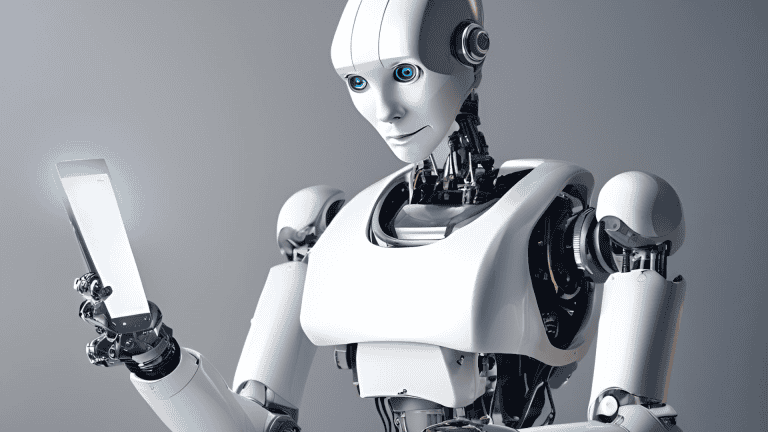
It’s no surprise that artificial intelligence (AI) is transforming business, with companies of all sizes embracing its potential to streamline operations, enhance customer experiences, and gain a competitive edge. From Fortune 500 giants to small, local businesses, AI is increasingly integrated into various aspects of operations, from marketing and sales to customer service and finance.
US small businesses, the backbone of the American economy, face unique challenges in this evolving technological landscape. Limited resources, fierce competition, and the need to adapt quickly to changing market demands require innovative solutions. While the prospect of implementing cutting-edge AI technology might seem daunting, it also presents a wealth of opportunities. By strategically leveraging AI tools and platforms, small businesses can overcome these challenges, improve their efficiency, and thrive in today’s competitive market.
This blog post explores how US small businesses are harnessing the power of AI to enhance their operations and gain a competitive edge. We will delve into key areas of AI adoption, including marketing and sales, customer service, operations and management, and finance and accounting. We’ll examine the specific ways small businesses are utilizing AI tools such as chatbots, data analytics platforms, and automated scheduling systems to improve their productivity, reduce costs, and ultimately achieve greater success.
Key Areas of AI Adoption by US Small Businesses
Marketing and Sales:
US small businesses are leveraging AI to significantly enhance their marketing and sales efforts. One notable area is targeted advertising, where AI-powered platforms analyze vast amounts of customer data, such as demographics, browsing history, and online behavior, to deliver highly personalized ad campaigns. For instance, a local bakery might use AI to target Facebook ads to individuals in their vicinity who have recently shown interest in baking supplies or healthy eating. This level of precision ensures that marketing budgets are allocated effectively and that ads are seen by the most receptive audience.
Furthermore, AI is revolutionizing content creation for small businesses. Tools like Jasper and Copy.ai can generate high-quality blog posts, social media captions, and email marketing content in a fraction of the time it would take to do manually. This not only frees up valuable time for business owners to focus on other aspects of their business but also ensures a consistent flow of engaging content across various channels.
Lead generation is another area where AI is proving invaluable. By analyzing customer data and market trends, AI-powered tools can identify potential customers with high purchase intent. This allows businesses to proactively reach out to these leads through targeted email campaigns, personalized offers, and other tailored communication strategies. For example, a software company might use AI to identify businesses in specific industries that are likely to benefit from their product and then launch a targeted email campaign showcasing the software’s value proposition.
Finally, customer segmentation is a powerful marketing strategy that AI is significantly enhancing. By analyzing customer data, such as purchase history, browsing behavior, and demographics, AI can identify distinct customer segments with unique needs and preferences. This allows businesses to tailor their marketing messages and offers to each segment, resulting in more effective campaigns and increased customer engagement. For example, an online clothing retailer might use AI to segment its customer base into groups based on age, style preferences, and spending habits, allowing them to send personalized recommendations and promotions to each group.
Customer Service:
AI is revolutionizing customer service for US small businesses, enabling them to provide more efficient and personalized support. Chatbots have become increasingly popular, offering 24/7 availability to answer common customer inquiries, such as order tracking, product information, and basic troubleshooting. For example, a local restaurant can implement a chatbot on their website to allow customers to easily book reservations, view the menu, and ask questions about their order. This not only improves customer satisfaction by providing instant answers but also frees up human agents to handle more complex issues.
Personalized communication is another key area where AI is making a significant impact. By analyzing customer data, such as purchase history, browsing behavior, and communication preferences, businesses can tailor their interactions to individual needs. This can include sending personalized email updates, offering customized product recommendations, and proactively addressing potential concerns. For instance, an online clothing retailer can use AI to send personalized emails to customers based on their recent purchases, suggesting complementary items or offering exclusive discounts. This level of personalization fosters stronger customer relationships and encourages repeat business.
Sentiment analysis is an AI-powered technique that analyzes customer feedback, such as social media comments, reviews, and survey responses, to understand customer sentiment and identify areas for improvement. By analyzing the emotional tone of customer interactions, businesses can gain valuable insights into customer satisfaction levels, identify recurring issues, and proactively address negative sentiment. For example, a hotel chain can use sentiment analysis to monitor online reviews and identify recurring complaints about cleanliness or service quality. This information can then be used to improve operations and enhance the overall guest experience.
Operations and Management:
AI is impacting how US small businesses operate and manage their daily activities. Data analysis plays a crucial role, with AI-powered tools extracting valuable insights from sales data, customer behavior, and financial records. This allows businesses to identify trends, predict future demand, and make informed decisions about resource allocation, pricing strategies, and product development. For example, a retail store can use AI to analyze sales data and identify seasonal trends, allowing them to optimize inventory levels and adjust staffing accordingly.
Inventory management is another area where AI is making a significant impact. AI-powered solutions can analyze historical sales data, predict demand fluctuations, and optimize inventory levels to minimize stockouts and reduce holding costs. This not only improves customer satisfaction by ensuring product availability but also frees up valuable capital that would otherwise be tied up in excess inventory. For example, a restaurant can use AI to predict customer demand for specific menu items at different times of the day, allowing them to optimize food orders and minimize food waste.
Scheduling and appointment booking are also being streamlined through AI-powered tools. Automated systems can schedule appointments, manage employee schedules, and optimize resource allocation, freeing up valuable time for business owners and employees. For example, a salon can use AI to schedule appointments, send automated reminders, and manage employee schedules, ensuring efficient operations and maximizing customer satisfaction. These tools not only improve efficiency but also enhance customer experience by providing convenient and flexible scheduling options.
Finance and Accounting:
AI has, unsurprisingly, been revolutionizing financial management for US small businesses, enhancing efficiency and mitigating risks. Fraud detection is a critical area where AI excels. AI-powered systems can analyze vast amounts of financial data, such as transaction histories, customer behavior, and market trends, to identify anomalies and potential fraudulent activities, such as identity theft, credit card fraud, and money laundering. This helps businesses protect their assets and prevent financial losses.
Financial forecasting is another area where AI can provide valuable insights. By analyzing historical data, market trends, and economic indicators, AI algorithms can predict future revenue, expenses, and cash flow. This allows businesses to make informed decisions about budgeting, investment, and risk management. However, it’s crucial to remember that these forecasts are based on assumptions and historical data, and unforeseen events can significantly impact actual results.
Automated bookkeeping is transforming the way small businesses manage their finances. AI-powered tools can automate tedious tasks such as data entry, invoice processing, and reconciliation, significantly reducing the time and effort required for bookkeeping. This frees up valuable time for business owners and accountants to focus on strategic financial planning and analysis. For example, AI-powered accounting software can automatically categorize expenses, reconcile bank statements, and generate financial reports, providing real-time insights into the financial health of the business.
Benefits of AI Adoption for US Small Businesses
The adoption of AI technologies offers a multitude of benefits for US small businesses, empowering them to overcome challenges and thrive in a competitive market. By leveraging AI, small businesses can significantly improve their efficiency, enhance customer satisfaction, and gain a crucial competitive edge.
1. Increased Efficiency and Productivity
AI-powered tools and automation streamline various aspects of business operations, leading to a significant increase in efficiency and productivity. Repetitive tasks, such as data entry, scheduling, and customer service inquiries, can be automated, freeing up valuable time for employees to focus on more strategic and creative endeavors. For example, AI-powered chatbots can handle a significant volume of customer inquiries 24/7, providing instant responses and freeing up customer service representatives to address more complex issues.
Furthermore, AI can optimize workflows and resource allocation, minimizing bottlenecks and maximizing output. By analyzing data and identifying areas for improvement, AI algorithms can help businesses streamline their operations, reduce waste, and improve overall productivity. This increased efficiency translates to significant cost savings and allows businesses to achieve more with fewer resources, a critical advantage for small businesses with limited budgets.
2. Improved Customer Satisfaction
AI technologies empower businesses to provide a superior customer experience, leading to increased satisfaction and loyalty. AI-powered chatbots offer 24/7 availability, ensuring that customer inquiries are addressed promptly and efficiently. Personalized recommendations, powered by AI, enhance the customer experience by providing tailored product suggestions and offers, making customers feel valued and understood.
Moreover, AI-driven sentiment analysis allows businesses to monitor customer feedback across various channels, such as social media and online reviews. By analyzing customer sentiment, businesses can identify areas for improvement, address negative feedback proactively, and enhance their overall customer service strategy. This focus on customer satisfaction fosters stronger customer relationships, encourages repeat business, and builds a positive brand reputation.
3. Enhanced Decision-Making Capabilities
AI provides small businesses with powerful tools for data analysis and predictive modeling, enabling them to make more informed and data-driven decisions. By analyzing vast amounts of data, such as sales trends, customer behavior, and market conditions, AI algorithms can identify patterns, predict future outcomes, and provide valuable insights into business performance.
This data-driven approach empowers businesses to make strategic decisions about pricing, marketing, inventory management, and resource allocation. For example, AI can help businesses forecast demand, optimize inventory levels, and identify the most profitable markets, minimizing risks and maximizing returns on investment. By leveraging AI for decision-making, small businesses can gain a significant competitive advantage by making more informed and effective business choices.
4. Reduced Costs
AI adoption can significantly reduce operating costs for small businesses. Automation of repetitive tasks, such as data entry and customer service inquiries, reduces the need for manual labor, leading to significant cost savings in terms of labor costs. AI-powered tools can also optimize resource allocation, minimizing waste and reducing energy consumption.
Furthermore, AI can help businesses identify and mitigate potential risks, such as fraud and security breaches, preventing financial losses and reducing insurance premiums. By streamlining operations, reducing waste, and mitigating risks, AI adoption can significantly reduce overall operating costs for small businesses, improving their profitability and financial stability.
5. Gained a Competitive Advantage in the Market
Small businesses must constantly adapt and differentiate themselves to succeed in today’s dynamic business landscape. AI adoption offers a powerful toolkit that enables businesses to:
- Offer innovative products and services: AI can be used to develop new products and services, personalize customer experiences, and create unique value propositions.
- Improve operational efficiency: By streamlining operations and increasing productivity, AI allows businesses to operate more efficiently and effectively than their competitors.
- Gain deeper customer insights: AI-powered analytics provide valuable insights into customer behavior, allowing businesses to tailor their marketing and sales efforts to meet the specific needs and preferences of their target audience.
- Enhance customer experience: By providing personalized service and addressing customer needs proactively, businesses can build stronger customer relationships and gain a loyal customer base.
Challenges and Considerations
While AI presents exciting opportunities for small businesses, it also brings forth a set of challenges and considerations that must be carefully addressed. These challenges range from the technical and financial to the ethical and societal, requiring a thoughtful and strategic approach to AI adoption.
This section will delve into some of the key challenges facing small businesses, including data privacy and security concerns, the significant costs associated with AI implementation, the critical need for employee training and upskilling, and the potential impact of AI on the workforce. By acknowledging and proactively addressing these challenges, small businesses can navigate the complexities of AI adoption and maximize its benefits while minimizing potential risks.
1. Data Privacy and Security Concerns
Many of us have realized that in order for AI to work the way it does, it requires a lot of data. But, because of this, the collection and use of customer data has raised some concerns in regards to both both privacy and security. Small businesses must comply with data privacy regulations such as GDPR and CCPA, ensuring that customer data is collected, used, and stored securely and ethically.
Data breaches can have severe consequences, including financial losses, reputational damage, and legal liabilities. Implementing robust cybersecurity measures, such as encryption, access controls, and regular security audits, is crucial to protect sensitive customer data and maintain trust.
Data breaches can have far-reaching consequences for any small businesses. From a financial standpoint, they incur direct costs like investigation, notification, and remediation, as well as potential legal fees and increased insurance premiums. Perhaps most significantly, breaches erode customer trust, leading to revenue loss and reputational damage. Negative publicity surrounding a breach can deter customers, impacting the company’s bottom line and long-term viability. Legally, businesses face potential fines for non-compliance with data breach notification laws and may face costly lawsuits from affected individuals.
In order to mitigate these risks, robust cybersecurity measures are essential. Data encryption safeguards information both during transmission and storage. Strong access controls, such as multi-factor authentication and role-based access restrictions, limit unauthorized access. Regular security audits and penetration testing proactively identify and address vulnerabilities in a company’s systems. Finally, employee training on data security best practices, including recognizing phishing attempts and handling sensitive information responsibly, is crucial to bolstering a company’s overall security posture.
2. The Cost of Implementing and Maintaining AI Tools
Implementing and maintaining AI tools can involve significant upfront and ongoing costs. Acquiring AI software, hardware, and data storage can be expensive, and businesses may need to invest in specialized infrastructure to support AI applications.
Ongoing maintenance, including software updates, data management, and technical support, can incur significant costs. Small businesses may need to budget for these expenses and explore cost-effective AI solutions, such as cloud-based platforms and subscription services, to minimize costs.
The ongoing maintenance of AI systems presents a significant and often underestimated cost for small businesses. Regular software updates are crucial to ensure optimal performance, address security vulnerabilities, and leverage the latest advancements. Moreover, maintaining high-quality data requires ongoing efforts to clean, update, and secure it. This includes ensuring data accuracy, refreshing datasets, and implementing robust data security measures. Technical support, including troubleshooting and system maintenance, can also incur significant costs.
Small businesses can explore several strategies to manage the ongoing costs associated with AI. Cloud-based AI solutions offer a scalable and flexible alternative, minimizing the need for substantial upfront investments in hardware and infrastructure. Subscription models provide predictable costs and ensure access to the latest features and updates. Partnering with AI service providers can provide access to expertise and support at a potentially lower cost than maintaining in-house systems. By carefully considering these options, small businesses can ensure the long-term sustainability and cost-effectiveness of their AI initiatives.
3. The Need for Employee Training and Upskilling
In order to effectively implement AI into a business, they will need a skilled workforce in order to get it done. Employees need to be trained on how to use AI tools, interpret AI-generated insights, and adapt to new workflows.
Firstly, employees must be trained on how to effectively use AI tools. This includes understanding the capabilities and limitations of different AI technologies, such as machine learning algorithms, natural language processing tools, and robotic process automation software. Employees need to learn how to input data correctly, interpret the outputs generated by AI systems, and troubleshoot any issues that may arise.
Secondly, employees need to be able to interpret and leverage the insights generated by AI systems. This requires developing analytical and critical thinking skills to understand the implications of AI-generated data, identify potential biases, and translate these insights into actionable business strategies.
Finally, employees need to adapt to new workflows and organizational structures that emerge as a result of AI implementation. This may involve changes to job roles and responsibilities, new collaboration models, and the development of new skills and competencies.
To ensure employees possess the necessary skills to effectively work with AI, businesses must invest in comprehensive upskilling programs. This may involve the following:
- Formal Training Programs: Conducting in-house training sessions, workshops, and seminars led by internal or external experts.
- Online Learning Platforms: Providing access to online courses, tutorials, and interactive learning modules on AI-related topics.
- Mentorship and Coaching: Pairing employees with experienced colleagues or mentors who can provide guidance and support in their AI-related work.
- Industry Certifications: Encouraging employees to pursue industry-recognized certifications in AI, such as those offered by organizations like Google, Amazon, and Microsoft.
4. The Potential for Job Displacement (Addressing This Concern)
The automation of tasks through AI raises concerns about potential job displacement. While AI can automate certain tasks, it also creates new opportunities and enhances the value of human skills.
Businesses can mitigate the potential for job displacement by:
- Reskilling and upskilling employees: Training employees on new skills, such as data analysis, AI interpretation, and customer relationship management, can prepare them for new roles in an AI-driven environment.
- Focusing on human-centric tasks: AI can automate routine tasks, allowing employees to focus on more strategic and creative endeavors, such as customer relationship building, problem-solving, and innovation.
- Creating new roles: The implementation of AI can create new roles, such as AI specialists, data analysts, and AI ethics officers, providing new career opportunities for employees.
The Future of AI in Small Business: Embracing the Digital Revolution
Small businesses across the US are increasingly leveraging AI to transform their operations, from automating routine tasks to delivering personalized customer experiences. By adopting AI in marketing, customer service, operations, and finance, these businesses are achieving greater efficiency, reducing costs, and gaining competitive advantages in their markets.
The benefits of AI adoption – including increased productivity, improved customer satisfaction, and enhanced decision-making capabilities – make it clear that AI is no longer just a luxury for large corporations. As AI technologies become more accessible and cost-effective, small businesses that embrace these tools position themselves for long-term success in an increasingly digital marketplace.
Looking ahead, AI will continue to evolve, offering even more sophisticated solutions tailored to small business needs. The key to success lies not in viewing AI as a replacement for human capabilities, but as a powerful tool that enhances and augments human potential.
For small business owners reading this, the time to explore AI integration is now. Start by identifying areas where AI could add the most value to your operations, research available tools and solutions, and develop a strategic plan for implementation. Remember that successful AI adoption is a journey that requires careful planning, ongoing learning, and a commitment to addressing challenges while maximizing opportunities.