
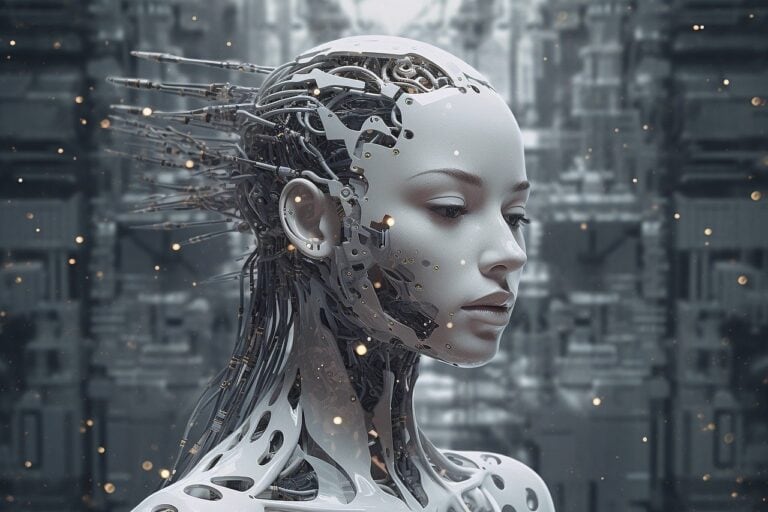
Remember the days of dial-up internet and clunky desktop computers? In just a few short decades, technology has catapulted us into an era of unprecedented innovation. Artificial intelligence (AI), once a concept confined to science fiction, is now a reality that’s reshaping industries and societies worldwide. From self-driving cars to medical diagnoses, AI is making significant strides. However, as AI continues to advance at a breakneck pace, it’s crucial to remember that human ingenuity remains the cornerstone of progress.
In 2025, the AI-infused world will require humans to bring strategy, judgment, and creativity to marketing automation. As AI systems become increasingly sophisticated, capable of analyzing vast amounts of data and making data-driven decisions, the role of human marketers will evolve. While AI can automate repetitive tasks and generate insights, it lacks the nuanced understanding of human behavior and the ability to think critically and creatively.
The journey of AI in marketing has been a fascinating one. From early rule-based systems to advanced machine learning algorithms, AI has come a long way. Today, we’re witnessing the rise of generative AI, a technology that can create human-quality content, such as articles, code, and even art. As AI continues to evolve, it’s becoming increasingly important for marketers to understand its capabilities and limitations.
In this post, we’ll delve deeper into the intersection of AI and human intelligence, exploring how marketers can leverage AI to enhance their strategies and drive business growth. We’ll discuss the importance of human-centered design, ethical considerations in AI development, and the future of work in an AI-driven world. Join us as we navigate the exciting and complex landscape of AI-powered marketing.
The Rise of the Position-less Marketer
As AI continues to revolutionize industries, the role of the marketer is undergoing a significant transformation. The traditional marketing roles, siloed into specific functions like SEO, PPC, or content marketing, are becoming obsolete. In their place, a new breed of marketer is emerging: the Position-less Marketer.
A Position-less Marketer is a versatile professional who seamlessly blends technical expertise with strategic thinking and creative flair. They are adept at leveraging AI tools to automate routine tasks, analyze vast datasets, and generate insightful reports. However, they are not merely passive users of technology. Instead, they actively shape the direction of AI-powered marketing initiatives, ensuring that technology serves as an enabler, not a replacement for human ingenuity.
The Position-less Marketer is a strategic thinker who can identify opportunities, set clear goals, and develop comprehensive marketing plans. They possess strong analytical skills and can interpret complex data to inform decision-making. Moreover, they are creative problem-solvers who can generate innovative ideas and develop compelling brand stories.
Perhaps most importantly, the Position-less Marketer is a skilled communicator who can effectively convey complex ideas to diverse audiences. They understand the importance of building relationships with clients, colleagues, and stakeholders. By combining technical expertise with strong interpersonal skills, they can inspire and motivate teams to achieve extraordinary results.
Key Traits of the Position-less Marketer
The Position-less Marketer is a multifaceted individual who possesses a unique blend of technical skills, strategic thinking, and creative flair. To thrive in this evolving role, one must cultivate several key traits.
Strategic Thinking
A strategic thinker is able to see the big picture and anticipate future trends. They can identify opportunities, set clear goals, and develop comprehensive marketing plans. In an AI-driven world, strategic thinking is more important than ever. While AI can provide data-driven insights, it’s up to human marketers to interpret these insights and develop effective strategies. A Position-less Marketer must be able to think critically, analyze complex information, and make informed decisions.
Creative Problem-Solving
Creativity is the lifeblood of marketing. A creative problem-solver can generate innovative ideas, think outside the box, and develop unique solutions. In an increasingly competitive marketplace, it’s essential to stand out from the crowd. By combining human creativity with AI-powered tools, marketers can develop highly effective campaigns that resonate with their target audience.
Emotional Intelligence
Emotional intelligence is the ability to understand and manage emotions, both one’s own and others’. In the age of AI, human connection remains essential. A Position-less Marketer must be able to build strong relationships with clients, colleagues, and stakeholders. By understanding and responding to the emotional needs of others, they can create more effective marketing campaigns and foster a positive work environment.
Adaptability
The marketing landscape is constantly evolving. To stay ahead of the curve, marketers must be adaptable and open to change. As new technologies emerge and consumer behavior shifts, Position-less Marketers must be able to quickly adapt their strategies and tactics. They must be comfortable with ambiguity and willing to embrace new challenges.
Ethical Considerations
In an increasingly data-driven world, it’s essential to consider the ethical implications of AI and digital marketing. A Position-less Marketer must be committed to ethical practices, such as data privacy, transparency, and fairness. They must be aware of the potential biases inherent in AI algorithms and take steps to mitigate them. By prioritizing ethical considerations, marketers can build trust with their audience and protect their brand reputation
Human-Centric AI: A Balancing Act
As AI continues to reshape the marketing landscape, it’s crucial to remember that technology is a tool, not a replacement for human ingenuity. To truly unlock the potential of AI, marketers must strike a balance between technological advancements and human-centric principles. In the following sections, we’ll explore how AI can be leveraged to enhance marketing strategies while prioritizing the human element.
Hyper-Personalization:
These days, consumers expect personalized experiences tailored to their unique needs and preferences. AI has emerged as a powerful tool for delivering hyper-personalized marketing campaigns. By analyzing vast amounts of data, AI algorithms can identify patterns and trends, enabling marketers to segment audiences and deliver highly targeted messages.
AI-powered personalization can take many forms, from personalized product recommendations to customized email campaigns. For example, e-commerce websites can use AI to recommend products based on a customer’s browsing history and purchase behavior. Similarly, email marketing platforms can leverage AI to dynamically generate personalized subject lines and email content.
While AI can significantly enhance personalization efforts, it’s important to remember that technology alone is not enough. To truly connect with customers, marketers must infuse their campaigns with a human touch. By understanding the emotional and psychological factors that drive consumer behavior, marketers can create personalized experiences that are not only relevant but also resonate with their audience.
Ultimately, the goal of hyper-personalization is to build strong customer relationships. By delivering personalized experiences that meet the specific needs and desires of each individual, marketers can increase customer satisfaction, loyalty, and advocacy. As AI continues to evolve, it’s crucial for marketers to strike a balance between technological innovation and human empathy
Omnichannel Integration:
Consumers today engage with brands across numerous platforms, from websites and mobile apps to social media and physical stores. To ensure a cohesive and seamless customer experience, businesses must embrace an omnichannel strategy. AI proves invaluable in optimizing customer journeys by analyzing data from diverse channels to uncover patterns and trends.
AI-powered tools can help businesses personalize customer interactions, deliver timely notifications, and automate routine tasks. For example, chatbots can provide instant customer support, while personalized email campaigns can nurture leads and drive conversions. By leveraging AI, businesses can create a more efficient and effective customer experience.
While AI can streamline the omnichannel experience, it’s important to remember that technology alone is not enough. To truly connect with customers, brands must craft a cohesive brand narrative across all channels. This involves developing a strong brand identity, creating consistent messaging, and ensuring that every customer interaction aligns with the brand’s values.
Ethical Data Practices:
AI is instrumental in managing and analyzing massive datasets. AI-powered tools automate data collection, storage, and processing, simplifying valuable insight extraction for businesses. However, with this power comes significant responsibility. As AI advances, prioritizing ethical data practices becomes crucial.
AI algorithms can be trained on biased data, leading to discriminatory outcomes. To mitigate this risk, it’s crucial to ensure that data is collected and labeled ethically. Human intervention is necessary to identify and address biases, ensuring that AI systems are fair and equitable.
Beyond bias, data privacy and security are paramount concerns. With the increasing prevalence of data breaches and cyberattacks, it’s essential to implement robust security measures to protect sensitive information. Transparent data practices, including clear data collection policies and user consent, are crucial for building trust with customers and complying with data protection regulations.
By prioritizing ethical data practices, businesses can build a strong reputation, foster customer loyalty, and drive long-term success. As AI continues to evolve, it’s imperative to strike a balance between technological innovation and human values
AI-Driven Creativity:
AI has been used as a tool for creativity, capable of generating diverse content formats, from blog posts to poetry. Generative AI models, trained on vast datasets, can produce human-quality content, accelerating content creation processes and inspiring new ideas.
While AI can generate content at scale, human creativity remains essential. Marketers must carefully curate and refine AI-generated content to ensure it aligns with their brand’s voice, tone, and messaging. By combining the efficiency of AI with the strategic thinking of humans, marketers can create more compelling and effective content.
Moreover, AI can serve as a valuable tool for ideation. By analyzing trends, consumer preferences, and competitor strategies, AI can help marketers identify new opportunities and develop innovative marketing campaigns. However, it’s important to note that AI cannot replace the spark of human creativity. Ultimately, it’s up to marketers to transform raw data into meaningful insights and actionable strategies.
The Future of Marketing: Beyond 2025
As we look beyond 2025, the future of marketing is poised for a dramatic transformation, driven by a wave of emerging technologies. In the following sections, we will explore some of the most promising technologies that will shape the industry and discuss the crucial role of human ingenuity in harnessing their potential.5
Emerging Technologies and Their Impact:
Emotion AI
Emotion AI, a subset of artificial intelligence, is rapidly emerging as a powerful tool for marketers. By analyzing facial expressions, vocal tones, and textual cues, Emotion AI can detect and interpret human emotions. This technology enables marketers to gain deeper insights into consumer sentiment, preferences, and behaviors.
One of the most significant applications of Emotion AI in marketing is personalized advertising. By understanding a customer’s emotional state, marketers can tailor their messaging to resonate with their specific needs and desires. For example, if a customer is feeling sad or frustrated, a marketer can offer empathetic support or provide relevant solutions.
Furthermore, Emotion AI can be used to optimize product design and development. By analyzing customer feedback and emotions, marketers can identify areas for improvement and create products that evoke positive emotions. For instance, a company can use Emotion AI to measure consumer reactions to different product prototypes and make informed design decisions
Quantum Computing
Quantum computing, a revolutionary technology that leverages the principles of quantum mechanics, promises to transform industries and solve complex problems that are currently intractable for classical computers. Unlike traditional computers, which use bits to represent information as 0s or 1s, quantum computers utilize quantum bits or qubits, which can exist in multiple states simultaneously. This quantum superposition allows for massive parallel processing, enabling quantum computers to solve complex calculations exponentially faster.
One of the most promising applications of quantum computing in marketing is optimization. Quantum algorithms can analyze vast datasets and identify optimal solutions to complex problems, such as supply chain optimization, inventory management, and customer segmentation. By optimizing these processes, businesses can reduce costs, improve efficiency, and enhance customer satisfaction.
Quantum computing can revolutionize the field of artificial intelligence. Quantum machine learning algorithms have the potential to develop more sophisticated models and make more accurate predictions. This could lead to breakthroughs in natural language processing, computer vision, and other AI-powered technologies. As quantum computing continues to advance, it is poised to reshape the future of marketing and beyond.
Digital Twins
Digital twins are virtual replicas of physical objects or systems. By simulating real-world conditions, digital twins enable businesses to test and optimize products, processes, and services. In the realm of marketing, digital twins can be used to create virtual representations of customers, products, and retail environments.
For example, marketers can create digital twins of customers to simulate their behavior and preferences. By analyzing these virtual customers, marketers can identify potential pain points and opportunities for improvement. This can lead to more personalized marketing campaigns and enhanced customer experiences.
Additionally, digital twins can be used to simulate the performance of marketing campaigns. By testing different strategies and tactics in a virtual environment, marketers can identify the most effective approaches and minimize risk. This can help businesses make data-driven decisions and optimize their marketing budgets.
The Human Role in Shaping the Future:
As emerging technologies continue to reshape the world, the role of humans in shaping their development and application becomes increasingly critical. It’s essential to envision innovative ways to leverage these technologies to address global challenges and improve human life.
Marketers, in particular, can play a pivotal role in driving innovation. By understanding the potential of emerging technologies like AI, quantum computing, and digital twins, marketers can identify new opportunities to engage with customers, optimize operations, and create unique brand experiences. For instance, by combining AI with human creativity, marketers can develop highly personalized campaigns that resonate with individual consumers.
However, as we embrace these powerful technologies, it’s crucial to consider the ethical implications. AI, for example, raises concerns about bias, privacy, and job displacement. To mitigate these risks, it’s essential to establish ethical guidelines and regulations. Marketers must be mindful of the potential consequences of their actions and strive to use AI responsibly.
The future of marketing will be shaped by the interplay between human ingenuity and technological advancement. By combining human creativity, empathy, and strategic thinking with the power of AI and other emerging technologies, marketers can create a brighter future for both businesses and society.
The Future of Marketing Jobs
The advent of AI is poised to significantly impact the marketing landscape, transforming the nature of marketing jobs. While concerns about job displacement may arise, the reality is more nuanced. AI is not designed to replace human marketers but to augment their capabilities.
Instead of focusing on routine tasks, AI empowers marketers to concentrate on strategic thinking, creative problem-solving, and building strong client relationships. By automating repetitive tasks such as data analysis and content generation, AI frees up valuable time for marketers to focus on higher-level activities that require human ingenuity. This shift allows marketers to delve deeper into understanding consumer behavior, developing innovative marketing strategies, and fostering meaningful connections with audiences.
Moreover, AI can enhance the effectiveness of marketing efforts by providing data-driven insights. By analyzing vast amounts of data, AI can identify trends, predict consumer behavior, and optimize campaigns. Marketers can leverage these insights to make informed decisions and tailor their strategies to specific target audiences. This data-driven approach can lead to more effective campaigns and improved ROI.
The future of marketing lies in a harmonious collaboration between humans and AI. By embracing AI as a tool, marketers can elevate their skills, unlock new opportunities, and drive business growth. The key to success lies in adapting to the evolving landscape, acquiring new skills, and fostering a mindset of continuous learning.
The Future Is Human-AI Collaboration: Embracing the Position-less Marketing Era
As we stand on the cusp of an AI-infused world, the future of marketing is not about technology replacing humans, but about humans and AI working together in unprecedented harmony. The Position-less Marketer represents a new paradigm where human creativity, emotional intelligence, and strategic thinking converge with advanced machine learning and artificial intelligence.
Throughout this exploration, we’ve uncovered critical insights into the transformative power of AI in marketing. From hyper-personalization to omnichannel integration, AI technologies are revolutionizing how businesses connect with consumers. However, the most crucial revelation is that human intelligence remains the cornerstone of meaningful marketing strategies.
The Position-less Marketer embodies this symbiotic relationship, demonstrating that the ultimate competitive advantage lies not in choosing between human or artificial intelligence, but in leveraging both. By embracing lifelong learning, cultivating emotional intelligence, and maintaining ethical standards, marketers can navigate the complex landscape of AI-driven business innovation.
To thrive in this rapidly evolving ecosystem, marketers must:
- Develop a growth mindset that views AI as a collaborative tool, not a competitor
- Continuously upgrade skills in data analysis, critical thinking, and creative problem-solving
- Prioritize ethical considerations in AI implementation
- Remain adaptable and open to emerging technologies
- Cultivate the uniquely human skills of empathy, strategic vision, and intuitive decision-making
As we look toward the future, remember that AI is a powerful instrument, but human creativity is the true conductor. The most successful marketers will be those who can harmonize technological capabilities with the irreplaceable nuances of human experience. In this AI-powered landscape, our humanity is not a limitation—it’s our greatest asset.
The Position-less Marketer doesn’t just adapt to change; they lead it, transforming challenges into opportunities and data into meaningful connections. Welcome to the future of marketing—where human ingenuity and artificial intelligence dance in perfect sync.